 Skip to content
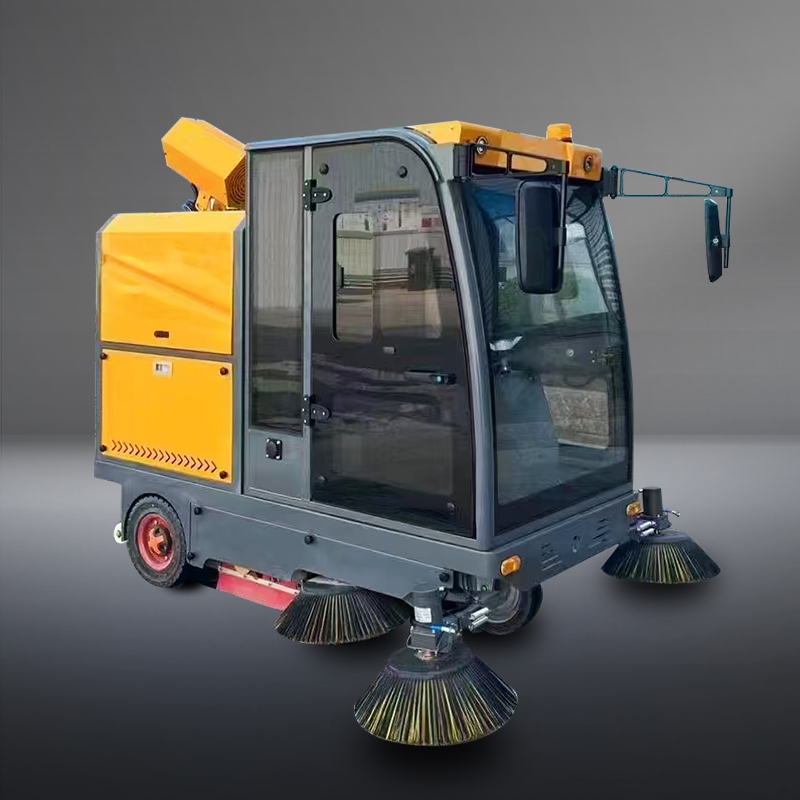
A useful floor sweeper request for quotation (RFQ) gives each supplier the same site, machine, delivery and documentation requirements. It also asks suppliers to identify assumptions and options instead of leaving the buyer to infer them from a brochure. A complete request makes quotations easier to compare without assuming a standard minimum order, lead time or included package.
Use the GODWIN floor sweeper range to identify candidate models, then send the same RFQ fields to each supplier.
Which Buyer and Project Details Belong in an RFQ?
Identify the buying company, destination country and delivery location, quotation contact, project or tender reference, requested response date and expected decision timing. State whether the request is for budget planning, a single machine, a demonstration, a fleet or a distributor relationship. These details help the supplier state commercial assumptions that apply to the specific request.
Do not send unnecessary personal information. Where an end-customer’s site details are confidential, provide the route and operating conditions needed for technical selection without exposing information the supplier does not need.
What Site Information Helps the Supplier Select a Candidate?
Describe the floor area the machine must clean, the route, narrowest access, turning constraints, floor type, debris, operating window, traffic and available storage, charging or disposal points. Identify indoor and outdoor zones separately. Include a simple route sketch and representative photographs where useful.
Flag any unusual material, dust, slope, wet condition, noise restriction or safety requirement. Ask the supplier to confirm whether the exact model is suitable and to list any condition that remains unverified.
| RFQ site field | Information to provide | Why it helps |
|---|---|---|
| Route | Map, doors, aisles, turns and slopes | Checks physical fit |
| Floor and debris | Surfaces, typical material and exceptions | Identifies configuration questions |
| Work schedule | Shift, hours, traffic and cleaning window | Informs operating plan |
| Site services | Charging, storage, water or disposal needs | Exposes infrastructure requirements |
Which Machine and Configuration Questions Should Be Asked?
Ask the supplier to quote the exact model and identify its revision or product designation. Request a line-by-line list of the machine, power package, charger, brushes, filter, hopper arrangement, guards and optional accessories. The supplier should mark each item as included, optional, unavailable or requiring confirmation.
Request the dimensional, operating, maintenance and safety documents for that configuration. If performance figures are supplied, ask for the conditions and method behind them and whether they apply to the proposed unit. Ask which surfaces and debris types are approved by the manufacturer.
| Configuration line | Supplier response | Buyer check |
|---|---|---|
| Base machine | Model, revision and standard equipment | Matches the intended route |
| Power and charging | Battery/fuel, charger and connectors | Fits the shift and site services |
| Brushes and filtration | Type, options and service method | Appropriate documentation supplied |
| Included accessories | Named items and quantities | Distinguishes standard from optional |
What Commercial and Delivery Terms Need Separate Answers?
Ask for unit price, currency, validity, quantity basis, payment terms, taxes or duties excluded, delivery terms and named destination. Request separate lines for accessories, packaging, freight, installation, training and service if offered. Ask the supplier to state the estimated production and transit timing for this order and the assumptions behind it; do not treat an indicative schedule as a fixed commitment unless the quotation says so.
If minimum order quantity, branding, customization or distributor pricing matters, ask the supplier to confirm the terms for the exact project. These conditions can vary by model, options, destination and order, so they should not be assumed from a general catalog page.
Which Quality and Support Documents Should the RFQ Request?
State the records required before shipment and after delivery: model documentation, inspection scope, photos, packing list, manuals, warranty terms, exclusions, parts ordering route and service contact. Ask which checks apply to the quoted configuration and how exceptions will be reported. The pre-shipment inspection guide outlines the records a buyer can request.
If the purchase depends on a test result, provide the test route, acceptance criteria, materials and observation method. The site-trial guide can help define those details. Do not treat a product brochure as proof that the proposed unit has passed a buyer-specific test.
How Can Distributors Compare RFQ Responses Fairly?
Normalize the quotations against the same model, configuration, delivery basis and support scope. Mark unanswered fields and assumptions. Follow up before selecting a supplier if the responses differ in included components, test evidence, warranty or delivery scope.
| Comparison area | Normalize before comparing |
|---|---|
| Equipment | Exact model, revision and included configuration |
| Total landed scope | Price basis, freight, packaging, taxes and destination terms |
| Evidence | Documents, inspection record and test basis |
| Support | Warranty, parts contact, manuals and stated exclusions |
Conclusion
A strong floor sweeper RFQ describes the site, defines the requested machine package, separates commercial assumptions and names the evidence required. Send the same fields to every supplier and keep open questions visible until they are answered in writing.


 English
  Español
  Français
  العربية