 Skip to content
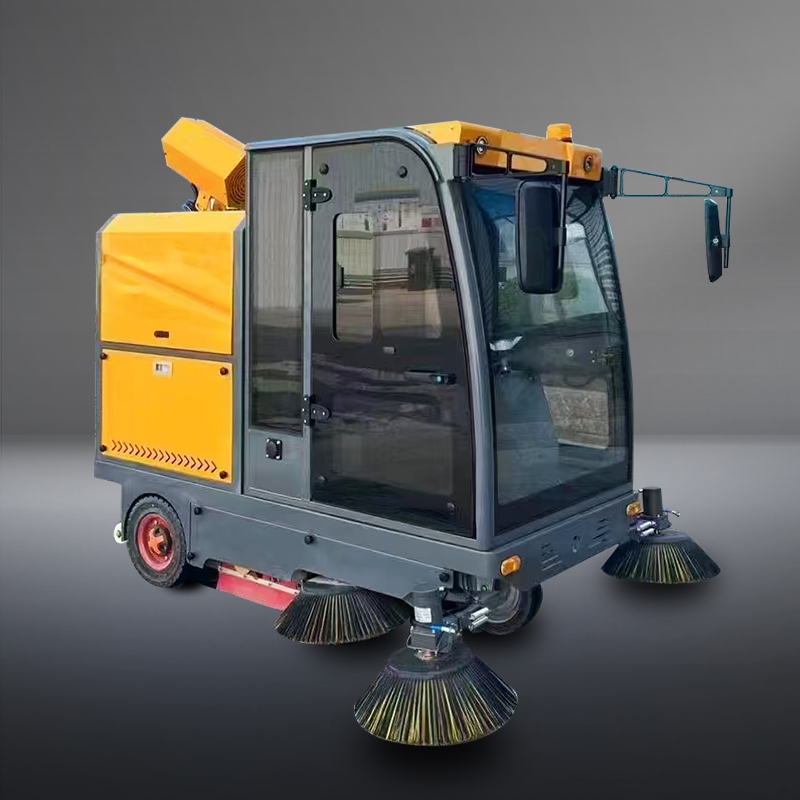
Distributors should plan floor sweeper spare parts from the machines actually in service, the confirmed part numbers, expected replenishment route and the cost of a machine being unavailable. A generic starter kit or percentage of purchase price can hide compatibility errors. Confirm each item against the exact model and revision before placing it in inventory.
For the buyer’s configuration and support questions, see the industrial sweeper buying checklist. This guide focuses on building a traceable parts plan for a distributor’s installed base.
What Installed-Base Information Should You Gather?
Create a record for each customer machine: model, serial or identification number, revision where available, delivery date, configuration, operating environment and local service contact. Keep the quotation, nameplate record, parts documents and any approved changes together. Do not assume two machines with a similar model name use interchangeable parts.
Ask the supplier for the current parts list or exploded diagram applicable to the exact unit. If the part number, revision or compatibility is unclear, request written confirmation before quoting a replacement to a customer.
| Installed-base field | Record | Purpose |
|---|---|---|
| Machine identity | Model and serial/ID | Connects the request to one unit |
| Configuration | Power package and fitted options | Helps distinguish variants |
| Service context | Usage pattern and operating environment | Helps prioritize risk |
| Parts evidence | Approved parts list and revisions | Prevents unsupported substitutions |
Which Parts Should Be Considered for Local Stock?
Start with supplier-recommended service items and parts that have a documented replacement need for the installed machines. For each candidate, record the machine downtime impact, replenishment route, storage requirements, shelf-life or handling limits, price and any model restrictions. Ask the supplier which items are routine consumables and which require trained service or special tools.
Do not stock by a fixed percentage without evidence. A small fleet with quick replenishment may need a different local inventory from a larger fleet with a long import route or an operationally critical customer. The stock decision should use actual orders, service records and supplier lead-time information.
How Can You Confirm Compatibility Before Ordering?
Send the supplier the machine identity, configuration, current part label or photo, and a description of the symptom or replacement need. Ask for the exact part number, applicable model/revision, any superseded number and whether installation requires a qualified technician. Keep the written answer with the order.
When a part has changed, request the effective revision and any installation or setup instructions. Do not rely on appearance alone: similar filters, brushes, connectors or wear parts may differ in fit or intended use.
| Compatibility check | Information to send | Confirmation to retain |
|---|---|---|
| Machine | Model, serial/ID and configuration | Applicable model/revision |
| Existing item | Part label, photo and location | Exact replacement number |
| Change history | Prior replacement or modification | Supersession and installation notes |
| Quantity | Machines affected and service need | Quantity and delivery scope |
How Should Reorder Points Reflect Supply Risk?
For each stocked item, track the quantity on hand, items already committed, recent usage, supplier-quoted replenishment time and the consequence of a stockout. Set a reorder trigger that reflects those records and review it after a delivery delay, fleet change or unusual service event. A supplier’s estimate should be linked to the specific part and shipping route, not generalized to all parts.
Separate confirmed stock from items awaiting identification or a supplier response. That prevents a sales team from promising a replacement before compatibility and availability are established.
What Storage and Traceability Practices Reduce Errors?
Label parts with supplier part number, description, applicable model or revision, receipt date and storage instructions. Keep different revisions physically separated if the supplier specifies different fitment. Record issue date, customer machine, quantity and replacement reason so future planning can use actual demand.
For electrical, battery-related or safety-critical items, follow the supplier’s packaging and handling instructions. Do not open or repackage sealed items in a way that hides identification or condition. Keep returns and unverified parts separate from serviceable stock.
How Should Distributors Review Parts Performance?
Review service requests, fill rate, supplier response, delivery time and stockouts periodically. Look for repeat replacements, compatibility questions and changes in the installed base. Share recurring issues with the supplier and request an updated parts list when models or components change.
| Review measure | What to compare | Action when it changes |
|---|---|---|
| Demand | Issues by confirmed part number and model | Adjust quantities using observed use |
| Availability | Requested date versus supplier delivery | Revisit customer promise and reorder trigger |
| Compatibility | Returns or fitment questions | Confirm revisions and update the parts record |
| Stock condition | Identification, packaging and handling | Quarantine uncertain items for verification |
If a customer reports a malfunction, keep the troubleshooting record separate from the parts-order record. For a site-specific machine evaluation, use a documented floor sweeper trial and record the exact configuration.
Conclusion
Build a parts plan around an identified installed base, written compatibility confirmation and observed supply risk. Keep part numbers, revisions, stock and service history traceable so the distributor can respond without promising an unverified substitute.


 English
  Español
  Français
  العربية